تحديث 2 أشهر قبل
مصنع أكياس القهوة المستدامة: قابلة لإعادة التدوير, خيارات تغليف قابلة للتحلل وPCR

ypak.coffee
تأسست مجموعة YPAK للتغليف في 2011 وتكونت مع 3 الشركات القائمة في هونغ كونغ, دونغقوان وفوشان. لقد أصبحنا من أكبر شركات تصنيع أكياس القهوة في الصين. نستخدم أفضل صمامات WIPF من سويسرا للحفاظ على نضارة قهوتك.
اتبع سياسة حظر البلاستيك المفروضة على العديد من الدول المختلفة, لقد بحثنا وطورنا أكياس التغليف المستدامة, مثل الحقائب القابلة لإعادة التدوير والقابلة للتسميد.
لا يوجد حد أدنى للكمية, لا حاجة لألواح ملونة في خدمة الطباعة الرقمية HP 25K INDIGO.
مرحب بك لزيارة YPAK.
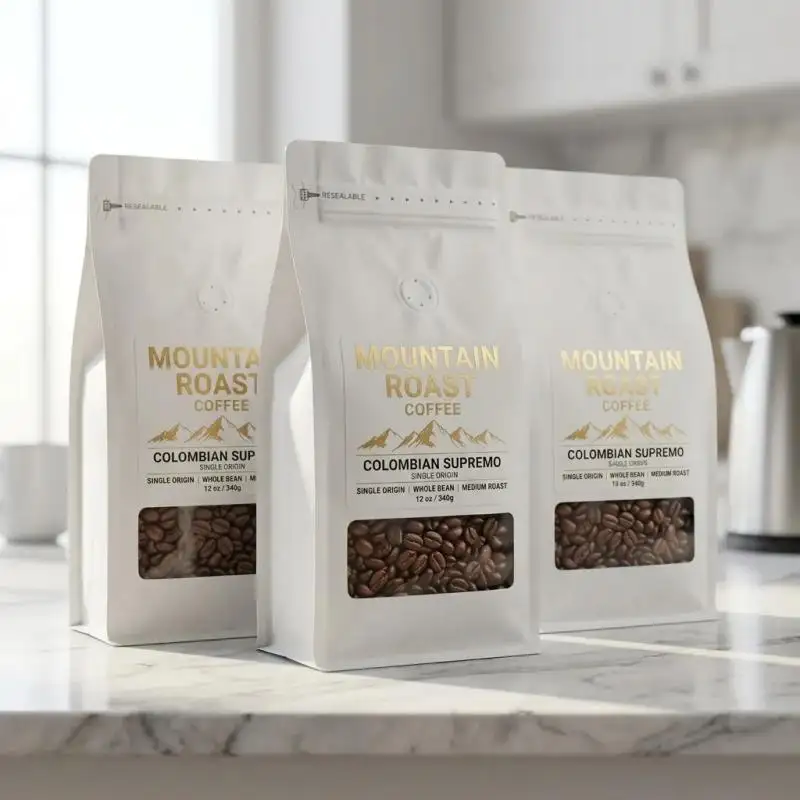
مصنع أكياس القهوة المستدامة
يجب أن يقلل تغليف القهوة من الأثر البيئي مع التحكم في الأكسجين, بخار الماء, فقدان الروائح وهجرة الزيوت. يجب أن يعمل أيضا أثناء التعبئة, ختم, عرض النقل والتجزئة.
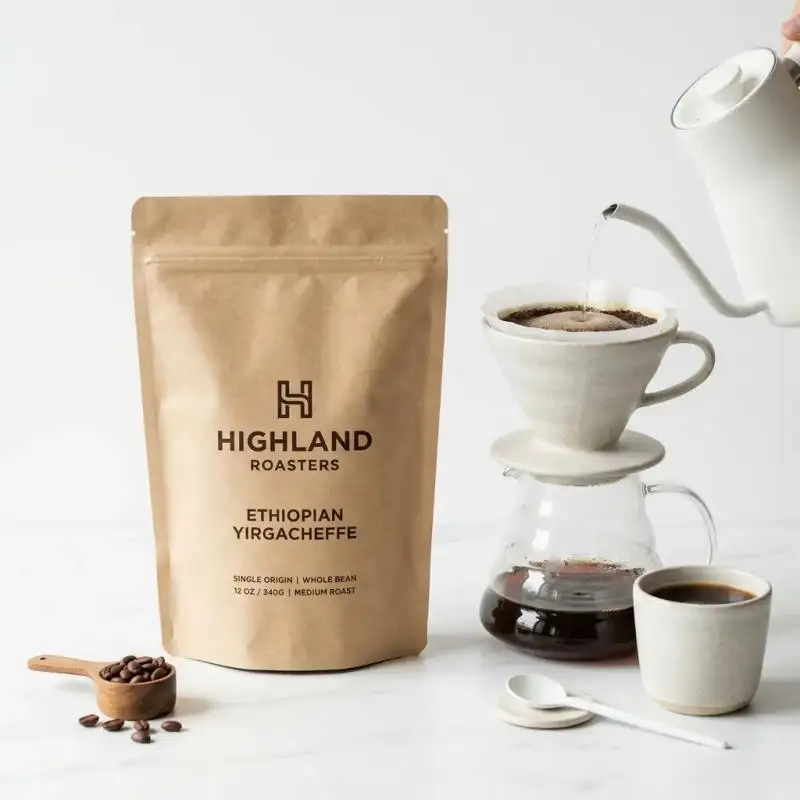
قابلة لإعادة التدوير, تتبع أكياس القهوة القابلة للتحلل وPCR ثلاثة طرق للاستدامة. تختلف في التركيب, التخلص, أداء الحاجز, التكلفة وملاءمة السوق. يجب ألا يختار المشترون أكياس القهوة المستدامة فقط لأنها تحمل "صديق للبيئة" تسميه.
A مصنع محترف لأكياس القهوة المستدامة يجب مقارنة الخيارات حسب مدة الصلاحية, نوع القهوة, سوق الوجهة, البنية التحتية لإعادة التدوير وصيغة الأكياس. الهدف هو تحقيق التوازن بين الأهداف البيئية وأداء التغليف.
ما الذي تقدمه شركة تصنيع أكياس القهوة المستدامة فعليا?
يجب أن يساعد مصنع أكياس القهوة المستدامة في تحديد التعريف:
•طبقات المواد وملامسة الطعام
•حواجز الأكسجين وبخار الماء
•أسلوب الحقيبة, الأبعاد والسعة
• سحابات وصمامات تفريغ الغازات
•الأحبار, الطلاءات واللاصقات
•التوافق مع الختم
•متطلبات المطالبات البيئية
• التحكم في أخذ العينات والإنتاج
يمكن ل YPAK مراجعة نوع القهوة, مدة الصلاحية, وزن التعبئة, تنسيق الحقيبة والسوق المستهدف قبل التوصية بهيكل. هذا يحول فكرة الاستدامة إلى تغليف يمكن تذينته واختباره.
ثلاثة حلول رئيسية لتغليف القهوة المستدام
•تغليف قابل لإعادة التدوير: يشجع على استعادة المواد
•تغليف قابل للتحلل: يتحلل بالكامل في بيئة التسميد
•تغليف PCR: يستخدم البلاستيك المعاد تدويره بعد الاستهلاك لتقليل البلاستيك البكر
تمثل هذه الخصائص المستدامة المميزة; لا يمكن أن تكون مطالبات قابلة للتبادل.
الخيار 1—أكياس القهوة أحادية المادة القابلة لإعادة التدوير
كيف تعمل الهياكل أحادية المادة
هناك العديد من أكياس القهوة في السوق القابلة لإعادة التدوير بالكامل. غالبا ما تستخدم عائلة واحدة من البوليمرات, مثل PE أو PP. يمكن أن تؤدي طبقات أقل غير متوافقة إلى تحسين الملاءمة لتيارات إعادة تدوير البلاستيك المرنة.
قابلية إعادة التدوير تعتمد على أكثر من مجرد الفيلم الرئيسي. الطلاءات الحاجزية, المواد السدادية, سحابات, الصمامات, يجب أيضا النظر في الأحبار واللاصقات. يجب على المشترين التأكد مما إذا كانت قيم OTR وWVTR تدعم العمر الصلاحي, ما إذا كانت الإكسسوارات متوافقة مع الفيلم وما إذا كانت الكيس تعمل بمعدات العزل الحراري الحالية.
تناسب حقائب أحادية المواد العلامات التجارية التي تبحث عن أداء مألوف في الحقائب مع مسار إعادة تدوير أوضح. يمكن لYPAK تنسيق جسم الحقيبة, سحاب, الصمام, الطباعة والتنسيق كنظام واحد.
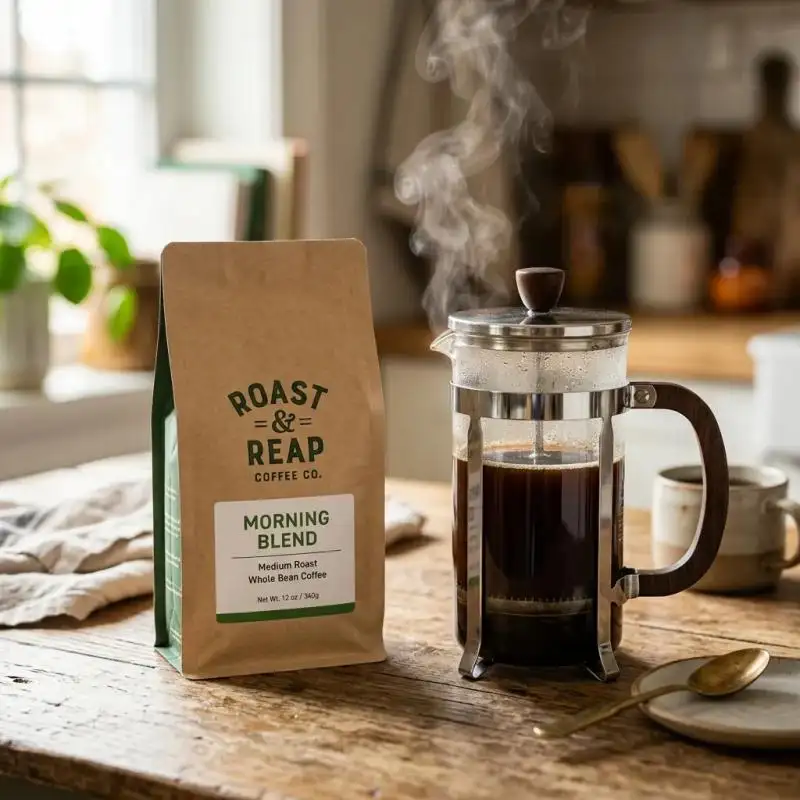
الخيار الثاني—أكياس القهوة القابلة للتحلل
التسميد الصناعي والمنزلي ليسا نفس الشيء
عادة ما يتطلب التسميد الصناعي حرارة محكمة, الرطوبة, الأكسجين والنشاط الميكروبي. التسميد المنزلي أقل قابلية للتنبؤ, لذا فإن التغليف الصناعي القابل للتحلل ليس تلقائيا قابلا للتسميد المنزلي.
أكياس القهوة القابلة للتحلل قد تستخدم PLA, أفلام السليلوز, الطبقات الورقية أو المواد الحيوية الأخرى. لكن, "القائم على الأساس البيولوجي," "التحلل," و "قابل للتحلل" ليست قابلة للاستبدال. أداء الحاجز, قوة الختم, شروط التخزين وتعليمات التخلص تحتاج إلى تحقق منفصل.
الأحبار, المواد اللاصقة, يمكن أن تؤثر السحابات والصمامات على المطالبة النهائية. هذا الطريق هو الأنسب حيث تتوفر إمكانية الوصول إلى التسميد وإرشاد المستهلكين. يمكن لYPAK مقارنة أسلوب الحقائب, طبع, الملحقات ومتطلبات التخلص قبل الإنتاج.
الخيار 3—تغليف قهوة PCR
كيفية استخدام المحتوى المعاد تدويره بعد المستهلك
مادة PCR تأتي من البلاستيك المستخرج بعد استخدام المستهلك. يمكن أن يقلل الطلب على البلاستيك البكر عند دمجه في كيس القهوة.
نسبة PCR الأعلى لا تعني تلقائيا تطورا أفضل في التغليف. يجب على المشترين تقييم المظهر, الرائحة, القوة, الإغلاق واستقرار الإنتاج. مواقع PCR وطبقات تلامس الطعام مهمة أيضا.
قد يبقى تغليف القهوة PCR متعدد الطبقات, لذا يجب تقييم محتوى PCR وقابلية إعادة التدوير بشكل منفصل. يناسب العلامات التجارية التي ترغب في بلاستيك أقل بكر دون التخلي عن صيغة الكيس المألوفة. يجب على مصنع أكياس القهوة المستدام أن يوازن نسبة PCR, جودة الطباعة واتساق الدفعات.
قابلة لإعادة التدوير مقابل. القابل للتحلل مقابل. أكياس القهوة PCR
| مقارنة | قابلة لإعادة التدوير | قابل للتحلل | PCR |
| المسار البيئي | استعادة المواد | التسميد | بلاستيك أقل بكرا |
| المواد النموذجية | PE أو PP | خطة, السليلوز أو الورقي | هياكل المحتوى المعاد تدويره |
| جهد الحاجز | متوسط إلى عالي | يعتمد ذلك على الفيلم والطلاء | يمكنني الاقتراب من الحقائب التقليدية |
| مسار التخلص | نظام إعادة التدوير المحلي | التسميد الصناعي أو المنزلي | يعتمد ذلك على الهيكل النهائي |
| الأنسب ل | الخطوط التجارية وطويلة الأجل | الأسواق التي تتوفر فيها إمكانية الوصول إلى التسميد | منتجات تقلل البلاستيك البكر |
| تركيز الشراء | بيانات التوافق والحواجز | الشهادة والشروط | نسبة PCR والاتساق |
لا يوجد خيار هو تلقائيا الأكثر استدامة. يعتمد الاختيار على بنية النفايات التحتية, عمر الصلاحية وسلوك التخلص الواقعي.
كيف تقارن أكياس القهوة المستدامة مع التغليف التقليدي بورق الألمنيوم
| المنطقة | كيس رقائق الألمنيوم التقليدي | كيس القهوة المستدام |
| المواد | بلاستيك بكر, رقائق الألمنيوم والطبقات | المادة الأحادية, القائم على الأساس البيولوجي أو PCR |
| نضج الإنتاج | مكانة عالية | يختلف حسب الهيكل |
| أداء الحاجز | عادة ما تكون مرتفعة | يتطلب اختبارا |
| طبع | مستقرة وناضجة | يتطلب تكييف المواد |
| نهاية الحياة | الطبقات صعبة الفصل | إعادة التدوير, التسميد أو البلاستيك الأقل بكرا |
تظل أكياس الرقائق التقليدية مفيدة عندما يتطلب الأمر أداء عالي جدا في الحواجز. بدلا من ذلك، يعيد تغليف القهوة المستدام توازن الطداجة, استخدام المواد والتخلص منها. التحميص الداكن, قد تتطلب دورات التوزيع الطويلة والنقل المتطلب هياكل مختلفة عن القهوة المحمصة الخفيفة المباعة محليا.
كيف يؤثر تنسيق الحقيبة على الأداء المستدام للمواد
| تنسيق الحقيبة | الميزة الرئيسية | تركيز التصميم |
| حقيبة ذات قاع مسطح | شاشة مستقرة وخمس لوحات | الأختام السفلية واستخدام المواد |
| حقيبة الوقوف | خفيف الوزن ومتعدد الاستخدامات | توافق السحاب والجوست |
| حقيبة الغاسيت الجانبية | مناسب للأحجام الأكبر | الإغلاق العلوي وموقع الصمام |
| حقيبة رباعية الختم | الوضع القوي للبيع بالتجزئة | قوة الختم وقابلية المعالجة |
يقيم YPAK الصيغ ل 150 g, 250 g, 500 g و 1 أطفال كلاغ. يجب اختبار السعة بكثافة القهوة الفعلية, ليس فقط مخطط قياسي.
كيف يدعم YPAK تطوير تغليف القهوة المستدام
سينظم YPAK التطوير حول ست خطوات:
•تأكيد نوع القهوة, وزن التعبئة, مدة الصلاحية والسوق.
• مقارنة بين القابلة لإعادة التدوير, المواد القابلة للتحلل وPCR.
• اختر تنسيق الكيس.
•صمامات المراجعة, سحابات, الطباعة والتشطيبات.
•سعة الاختبار, المظهر والختم.
• الموافقة على المواصفات النهائية قبل الإنتاج.
تحلل هذه الطريقة المواد والبناء مع العلامة التجارية وتوفر دعما للطباعة المخصصة إلى جانب عدة وحدات SKU.
أي كيس قهوة مستدام هو الأنسب لك?
| متطلبات المشروع | التقييم أولا |
| مجرى إعادة التدوير الحالي | كيس أحادي المادة القابل لإعادة التدوير |
| مسار التسميد الشفاف | كيس القهوة القابل للتحلل |
| تقليل البلاستيك البكر | تغليف قهوة PCR |
| عمر افتراضي أطول | هيكل عالي الحاجز القابل لإعادة التدوير أو PCR |
| الدفعة الصغيرة, إطلاق متعدد وحدات SKU | هيكل قابل للطباعة رقميا |
| عرض قوي على الرف | كيس قاع مسطح أو رباعي الإغلاق |
| دورة النقل الطويلة | حواجز الاختبار, الأختام ومقاومة الثقب |
يجب أن يستند القرار النهائي إلى اختبار العينات وظروف السوق, ليس فقط على الأسماء المادية أو الادعاءات البيئية.
قم ببناء مواصفات التغليف قبل اختيار المادة
قابلة لإعادة التدوير, تدعم أكياس القهوة القابلة للتسميد وPCR أهدافا مختلفة للاستدامة. لا يوجد هيكل واحد يناسب كل منتج, قناة البيع أو نظام النفايات.
يجب على المشترين تقييم الطداثة, التوافق الإنتاجي, الاستخدام الاستهلاكي وظروف نهاية الحياة معا. يجب أن يقدم مصنع أكياس القهوة المستدامة الفعال مقارنة المواد, التحقق من صحة العينة, ودعم المواصفات. تحدث مع YPAK عن نوع القهوة التي تفضلها, أحجام الحقائب, مدة الصلاحية التي تستهدفها, ومتطلبات سوقك, وسيساعدونك في مقارنة خيارات القابلة لإعادة التدوير, القابل للتحلل وPCR (إعادة التدوير بعد المستهلك) هياكل التعبئة.
الأسئلة الشائعة
س1. ما هي الخدمات التي يقدمها مصنع أكياس القهوة المستدامة?
يساعد مصنعو أكياس القهوة المستدامة العملاء في اتخاذ قرارات تتعلق بالمواد, هياكل وأشكال تغليف القهوة بالإضافة إلى خيارات الطباعة, واختيار صمامات إزالة الغازات والسحابات. هذه الخيارات تعتمد على نوع القهوة, عمرها الافتراضي والسوق المستهدف.
س2. كيف تختلف أكياس القهوة القابلة لإعادة التدوير عن تلك القابلة للتحلل وPCR?
تسمح الأكياس القابلة لإعادة التدوير باستعادة مواد الأكياس; تم تصميم الأحقائب القابلة للتحلل تحت ظروف تسميد محددة; وتحتوي أكياس PCR على بلاستيك معاد تدويره بعد الاستهلاك, مما يقلل الطلب على المواد البكر.
س3. هل تستخدم أكياس القهوة القابلة لإعادة التدوير مادة واحدة فقط؟?
غالبا ما تستخدم أكياس القهوة القابلة لإعادة التدوير هياكل أحادية المادة مصنوعة من PE أو PP. لكن, جميع مكونات الحقيبة, بما في ذلك الحواجز, سحابات, الصمامات, الأحبار, ويجب أن تكون المواد اللاصقة متوافقة.
س4. هل تسمح جميع أكياس القهوة القابلة للتحلل من التحول إلى سماد في المنزل?
لا. العديد من الأكياس التي يمكن تحللها فقط في ظروف صناعية لن تتحلل في المنزل. يجب التحقق من التغليف القابل للتحلل تحت ظروف المنزل بشكل منفصل وأن يفي بمتطلبات أخرى.
س5. هل يسمح استخدام مواد PCR بتصميم أكياس القهوة لإعادة التدوير؟?
لا. استخدام مواد PCR يعني أن التغليف تم صنعه باستخدام مواد ما بعد الاستهلاك. لكن, تعتمد القدرة على إعادة تدوير أكياس القهوة بناء على هيكل الكيس بالكامل, بما في ذلك الأفلام, الطلاءات واللاصقات.
كتبها
ypak.coffee
يباك
تأسست مجموعة YPAK للتغليف في 2011 وتكونت مع 3 الشركات القائمة في هونغ كونغ, دونغقوان وفوشان. لقد أصبحنا من أكبر شركات تصنيع أكياس القهوة في الصين. نستخدم أفضل صمامات WIPF من سويسرا للحفاظ على نضارة قهوتك.
اتبع سياسة حظر البلاستيك المفروضة على العديد من الدول المختلفة, لقد بحثنا وطورنا أكياس التغليف المستدامة, مثل الحقائب القابلة لإعادة التدوير والقابلة للتسميد.
لا يوجد حد أدنى للكمية, لا حاجة لألواح ملونة في خدمة الطباعة الرقمية HP 25K INDIGO.
مرحب بك لزيارة YPAK.
مقالات ذات صلة
بوابتان على طريق الاتحاد الأوروبي: التخفيض حسب التصميم وسلسلة التوثيق لتغليف القهوة

أكياس القهوة القابلة لإعادة التدوير: كيفية حماية النضارة دون المساس بالاستدامة

علامتك التجارية, مغلف بشكل مثالي: دليل YPAK لاختيار كيس قهوة مخصص عالي الجودة